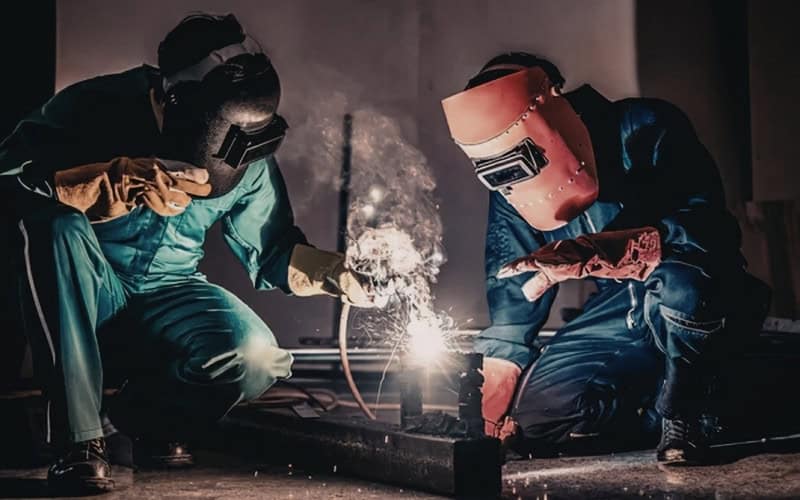
The modern industrial landscape is currently navigating a profound structural crisis fueled by a widening cultural chasm between two completely different eras. On one side stands a fresh influx of younger, tech-native operatives entering the skilled trades during a massive digital infrastructure boom.
On the other side stands a hyper-entrenched, aging workforce that has anchored the grid for the last thirty to forty years. Prevailing workplace trends indicate that instead of a seamless, collaborative passing of the torch, these two distinct factions are increasingly retreating into silos, leaving billions of dollars worth of unwritten field knowledge stranded across the generational divide.
For many younger technicians, approaching the veteran workforce feels less like asking a peer for advice and more like trespassing on hostile territory. Raised in an era of digital documentation, structured training simulators, and curated communication, younger workers often expect standardized, objective pipelines for career advancement. When they step onto a live factory floor or a heavy commercial layout, they are frequently blindsided by a traditional culture that relies heavily on informal hierarchies, trial-by-fire hazing, and unwritten rules.
Featured Field Briefing: Social Engineering the ‘Old Guard’
To see this psychological job-site matrix broken down live from the industrial frontlines, watch this clinical blueprint on how to build elite relationships with senior journeymen, protect your professional value, and successfully navigate the human architecture of the trade:
This phenomenon of cultural misalignment breeds a deep-seated hesitation. Younger operatives, wary of being publicly ridiculed or labeled incompetent for asking a question, often choose to look up answers on digital forums or struggle through a diagnostic error in isolation rather than approaching the master tradesman standing twenty feet away.
Compounding this isolation is the stark reality of the insular, almost cult-like cliques that dominate the upper echelons of the skilled trades. In many industrial sectors, a tight-knit “Old Guard” functions as a fierce, protective brotherhood, bound together by decades of shared field trauma, legacy union politics, and a specific old-school worldview.
This group frequently acts as an aggressive gatekeeper to the true positions of power, high-margin commercial contract loops, and plum supervisory roles. To an outsider, this clique can feel entirely impenetrable, operating on a subtle currency of personal loyalties, inside jokes, and a belief that you haven’t “earned the right” to the high-signal data unless you have suffered exactly as they did.
Breaking through this gatekeeping apparatus is not a matter of waiting your turn or hoping the system fairly recognizes your technical talent. It requires an active strategy of social engineering. To scale past the entry-level labor loops and access the inner sanctum of the trade, a younger operative must learn how to decode the psychology of this old-school brotherhood. You do not try to dismantle the clique; you learn to speak its language, honor its lineage, and prove your absolute technical discipline under fire until the gatekeepers have no choice but to recognize you as a peer and hand over the keys to the sovereign network.
Today, our goal is to help the modern tradesman do just that.
The Shadow Apprenticeship: Accessing Unwritten Field Knowledge

The standard trade school curriculum teaches you how to pass a multiple-choice licensing exam. It covers standard formulas, safe workspace distances, and the literal text of the code book. But when you step onto a complex commercial job site or an active industrial plant floor, you quickly realize that the most lethal operational data—the unwritten tricks that save four hours on a difficult wire pull, isolate a ghost fault in minutes, or keep a crew running at peak velocity—is not documented in any textbook.
That data exists exclusively inside the minds of the Old Guard.
These veteran master tradesmen and superintendents have decades of field trauma under their belts. They have seen every catastrophic infrastructure failure, navigated every logistical bottleneck, and broken down every complex system configuration imaginable. If you want to accelerate your career trajectory and move from a basic installer to an elite technician, you must build a high-signal network on-site and learn how to extract that institutional knowledge directly from the source.
1. The Human Architecture of the Job Site
Many ambitious helpers and apprentices approach a job site with a purely transactional mindset. They turn up, execute their immediate tasks, and sit on a tool bucket looking at their phones during operational breaks. They treat the veteran workers around them as casual background characters, completely blind to the reality that they are turning their backs on an invaluable professional asset.
One researcher found that 20% of Gen Z haven’t had a conversation with someone over 50 at work in the last year.
To build true leverage in the trades, you must treat networking on the job site with the same precision you apply to a complex wiring layout.
The veteran tradesmen who run major projects are inherently protective of their knowledge. They have spent decades earning their field stripes through grueling physical labor and high-pressure problem-solving. They will not automatically hand over their masterclass secrets to a casual worker who looks like they might quit next week. You must actively demonstrate that you possess the work ethic, the professional respect, and the long-term vision to be worth their mentorship.
2. Getting the 4-1-1 from the Old Guard
Social engineering the workplace is not about false flattery; it is about strategic humility and demonstrating an elite attention to detail. If you want the old hands to open up their playbook for you, you must learn how to frame your daily interactions to lower their defenses and engage their passion for teaching.
Step 1: The Observation Phase
Before you speak, observe. Pay close attention to how the senior technicians layout their trucks, modify their specialized tools, or handle unexpected project delays. Identify the specific areas where they hold undeniable mastery over the environment. This is often the best free guidance you can get and costs you nothing, while sharpening your perception at the same time.
Seeing someone else navigate a complicated work environment can also help you better understand the balance between work/life in a trades business, whether it’s on the shop floor or independently pursuing your next customer for a unit or infrastructure upgrade.
Step 2: The Technical Inquiry
When you need to ask a question, never make it generic. Do not ask, “How do I run this conduit?” That demands that the supervisor do your thinking for you. Instead, ask a targeted question that highlights a specific, real-world variable they have mastered:
“I mapped out the standard bending offsets for this run, but I noticed you always alter the spacing slightly when routing around a high-vibration structural column like this one. What is the safety margin you look for to prevent insulation wear over time?”
This script instantly signals that you have a high technical baseline and that you respect their unique field expertise. It shifts the dynamic from a boring chore to a professional masterclass.
3. Transforming Mentorship into Generational Equity
Securing the data from the old hands is only half the battle. The ultimate objective of building this high-signal network is to convert that knowledge into long-term commercial assets.
When a master tradesman teaches you how to shortcut a complex diagnostic sequence or protect a high-amperage system under continuous load, they are handing you massive professional leverage. You take that unwritten information, document it within your personal operational logbook, and apply it with military precision to every project you handle.
As your reputation for flawless execution spreads across the local industry, your relationship with the Old Guard fundamentally evolves. You cease to be viewed as a temporary helper and begin operating as a trusted, high-status peer.
When you eventually execute your pivot into independent operations, project management, or contracting, these veteran superintendents will not view your new business as a threat. Because you took the time to honor their lineage and master their standard of care, they will become your primary source of high-margin corporate referrals, cementing your position as a true sovereign owner of infrastructure.
The Industrial Arbitrage: Social Engineering the “Old Guard” and the 2-Year Exit Strategy
To command the market as an elite, sovereign operator in the industrial trades, you cannot simply rely on technical competence. You can have the sharpest diagnostic mind, the most expensive tools, or the cleanest welding hood on the project footprint, but if you cannot navigate the human architecture of the job site, you will remain trapped in a transactional, low-margin loop.
To lower the defenses of a veteran tradesman whose worldview was forged in a high-friction industrial era, you must use a calculated blend of extreme competence and strategic humility. The old-school gatekeepers do not want a cocky young installer who claims to know everything; they want an operative who respects the gravity of the work.

Want to learn more strategies for the modern skilled tradesman? Check out Million Dollar Industrial Welding Business or any of the volumes in the Million Dollar Trades Business series.
From Tailgate Sparks to Tactical, High-Stakes Fabrications, learn how to calibrate your capability. Stop being a “Trained Monkey” and start being the Silverback of the shop floor.

- The “Why” Behind the Reset: Reclaiming Your Landscaping & Lawn Mowing Profit, Time, and Sanity - September 15, 2026
- Getting Unstuck from the Rut: How Invisible Transport Costs and Bad Fleet Math Kill Heavy Trade Margins - August 3, 2026
- Escape the Shop Cage: How Clever Rookie Welders Play the Game to Win - July 6, 2026